

Insights from Milan and Chicago’s supermarket shelves
By Silvia Garcia Gonzalez and Silvia D’Alesio
February 20, 2026
11 MIN READ
This article is featured in the Magazine “Private Label and National Brands: Decoding Food Retail”, created in collaboration with Global Retail Brands. You can find more insights about the Magazine and additional articles here.

Two friends and food innovators – one in Chicago, the other in Milan – come together on this page, literally and figuratively, to embark on a culinary adventure that starts with something as everyday as grocery shopping.
Our carts rarely carry an ordinary list, instead, they’re filled with foods for inspiration. This article explores labeling as a critical tool for both consumer information and product positioning. We examine innovative developments in label design, such as the use of icons and Nutri-Score, to analyze strategies adopted by private label and branded products, focusing on chocolate bars. Through a comparative lens between the EU and US food markets, we investigate how packaging informs consumers and helps position products, both on the shelf and in the mind.
Our research, centered on chocolate bars in Chicago and Milan, examines how private labels compete with brand loyalty in shaping purchasing decisions. We explore a range of attributes, including brand type, chocolate variety, health claims (like the nutrition traffic light system), and pricing.
Milan: Shopping Habits, and Empty Shelves
Our story begins with a seemingly ordinary Tuesday for Silvia D. as she navigates the vibrant aisles of a Milanese supermarket, a quick stop that unknowingly sets the stage for a transatlantic chocolate quest. Fast forward, and we find Silvia G. embarking on a similar expedition amidst the bustling shelves of a Chicago grocery store. Though separated by an ocean, both Silvias are on a parallel journey, a subtle hunt for that perfect chocolate bar, a quest not unlike Charlie Bucket’s pursuit of Willy Wonka’s golden ticket. And perhaps, just perhaps, the labels they seek hold a little secret within their display – a playful nod to their shared moniker the Silvia’s Supermarket Scouters – a treasure waiting to be discovered, one delicious bite at a time. As Willy Wonka himself might say, “The suspense is terrible… I hope it will last!”
In Milan, preference for Italian manufacturer brands suggests that brand reputation and consumer quality perception play a crucial role in consumer decision-making for chocolate bars. Initial observations in major supermarkets in the city center (Carrefour and Esselunga) highlighted the intrinsic relationship between shelf placement and packaging labels.
Notably, the emptiest shelves often belong to branded chocolate bars, such as Perugina or Novi (see figure 1), indicating that brand image significantly influences purchasing behavior.
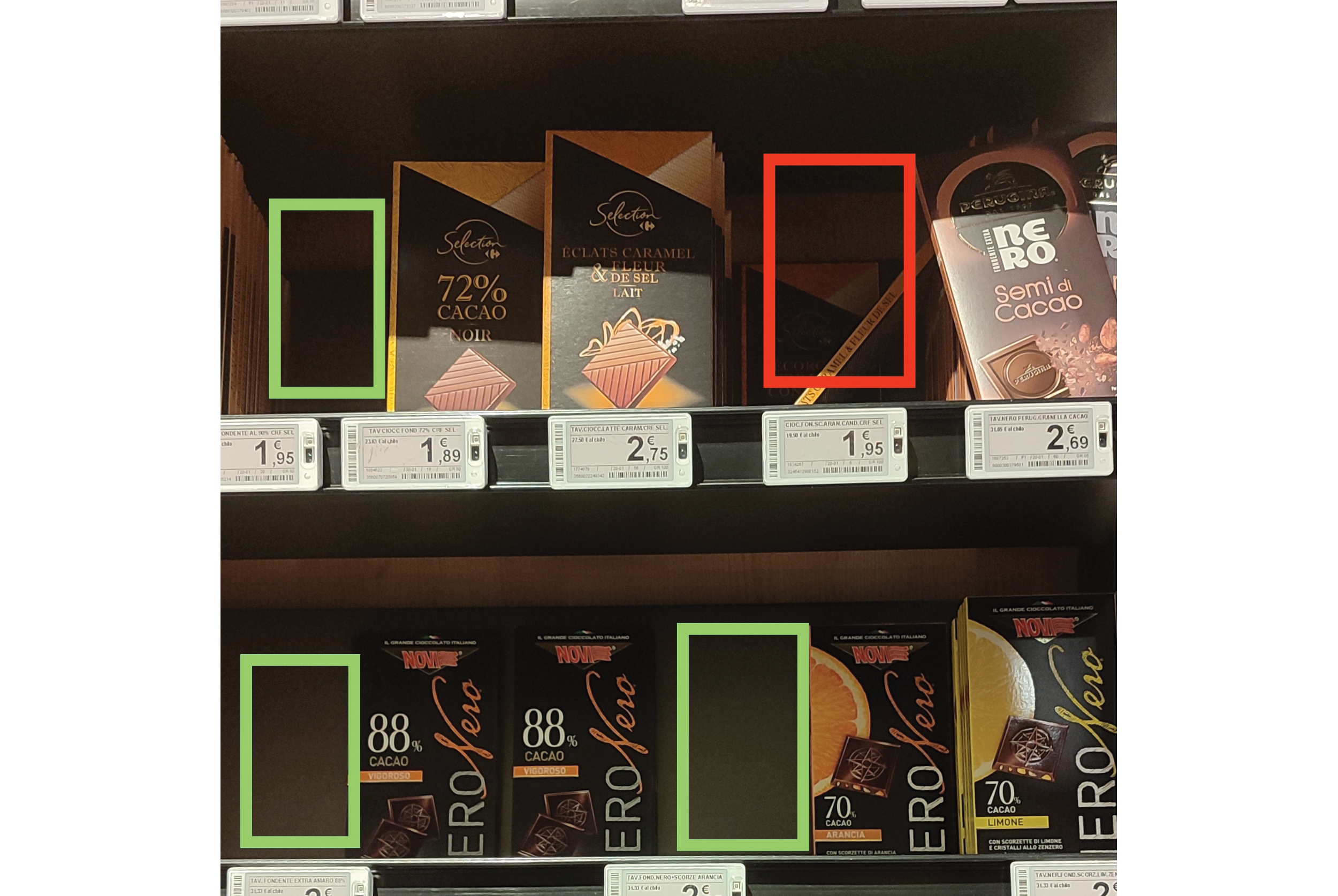
Figure 1. Spot the difference on the shelf: private label vs branded related to empty shelf (in green).
Another aspect we observed relates to chocolate type preferences. Milk chocolate received the most positive evaluation, followed by dark and then white chocolate, highlighting the importance of taste and familiarity in consumer choices. One noticeable detail is that color coding is consistent across both branded and private labels to indicate chocolate type: brown for dark chocolate, blue for milk chocolate, and white for white chocolate (see Figure 2-3).
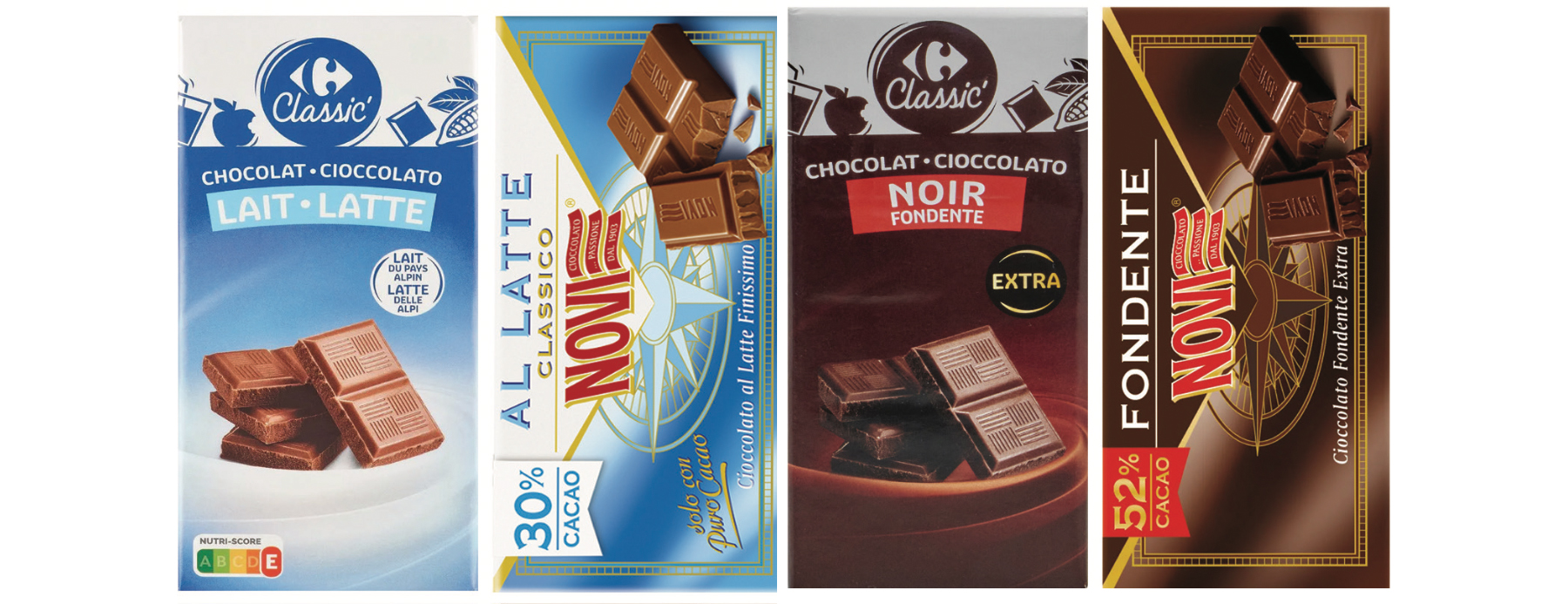
Figure 2 and 3. Color-coded chocolate labels Branded (Novi) vs private (Carrefour Classic).
Meanwhile, in the premium segment, dark chocolate bars are often distinguished by the percentage of cocoa displayed on the packaging. Here, both private label and branded products tend to use similar packaging formats, favoring a thin paper box over the traditional double foil that clings tightly to the bar (see Figure 4).
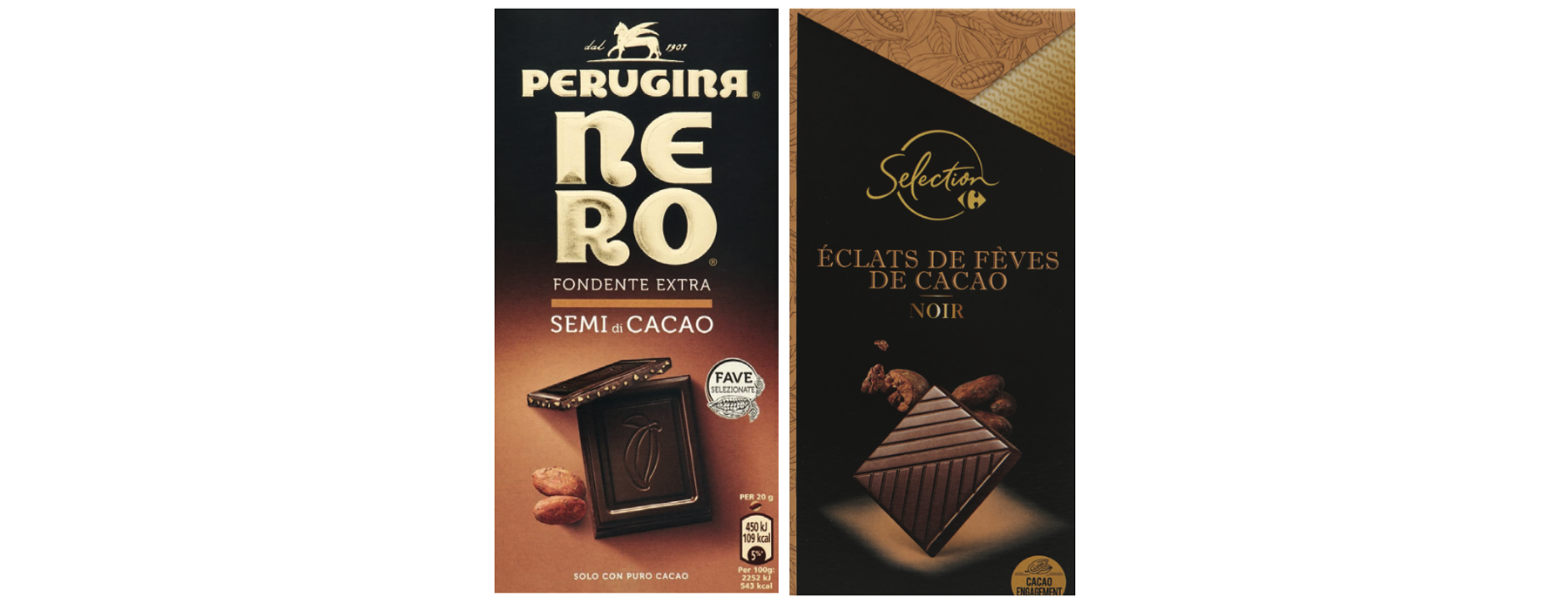
Figure 4. A packaging paper box means something special or experience premium chocolate for both private and branded labels.
Packaging, Health Codes, Pricing and Perception Gaps
Attention to nutritional codes is more prominent in private labels, which tend to rely more heavily on the traffic light system. These products often feature simpler graphics, with fewer images and clearer lettering, in contrast to the more elaborate branded labels that emphasize visual richness through detailed imagery, fonts, and colors.
This may reveal a gap between health trends and consumer expectations for indulgent treats, indicating that while consumers may express interest in healthier options, taste ultimately remains paramount. This supports the common consumer intuition that “unhealthy = tasty” suggesting that indulgence is often prioritized over health claims and poor information labels.
Price sensitivity is another critical finding, especially in a market where chocolate is often perceived as an affordable luxury. The observed negative correlation between price and consumer utility underscores the need for manufacturers to strike a balance between quality and affordability in order to maintain customer interest Interestingly, higher prices do not necessarily lead to lower preferences, but lower prices do not have a positive impact on perceived utility either.
This suggests that in the Italian market, insights regarding brand loyalty and marketing strategies should be tailored to target consumers with higher expectations around chocolate quality, as they tend to exhibit stronger brand allegiance.
Shelf Strategy and the Branded Experience
To gain a deeper understanding of consumer behavior in the chocolate market, one area to explore is the dedicated monobrand shelf (such as that of Lindt), where the entire brand’s product portfolio is displayed (Figure 5). In this context, brand-specific attributes such as packaging can further enhance the appeal to consumers. Additionally, distribution channel strategies are crucial in increasing the visibility and desirability of branded labels in the chocolate market, especially when private labels are typically positioned adjacent to multiple competitors, diminishing their ability to stand out.
Regarding the perception of the Italian consumer, although the analysis remains based only on field observation data, it can be inferred that in Milan Supermarkets, the preference for manufacturer brands is driven by the perception of quality and reliability.
In addition, chocolate type (e.g., milk, dark, white) and taste play a key role in consumer choices. While private labels are gradually improving in terms of quality and price positioning, they still struggle to compete with established brands when it comes to loyalty and perceived quality.
In summary, private labels are gaining ground and offering a competitive alternative, but brands remain a crucial factor in consumers’ purchasing decisions, even in the chocolate category. Brand loyalty and quality perception continue to distinguish branded products from private labels, influencing consumers’ willingness to pay and shaping final purchase choices.
These results suggest that for Italian chocolate manufacturers and retailers, as well as for those in similar markets, prioritizing the sensory appeal of chocolate, particularly the taste associated with milk chocolate, may be more effective than emphasizing health-related claims such as sugar-free labels.
Additionally, since brand loyalty plays a significant role in purchase decisions, especially towards well-known manufacturer brands, investing in brand building and maintaining product quality consistent with consumer taste preferences will be crucial. Price sensitivity also remains important, indicating that competitive pricing strategies are key to retaining and attracting customers. Overall, a balanced approach, one that highlights taste, maintains brand strength, and considers price competitiveness, is likely to deliver the best results in terms of consumer acceptance and sales performance in the chocolate market.
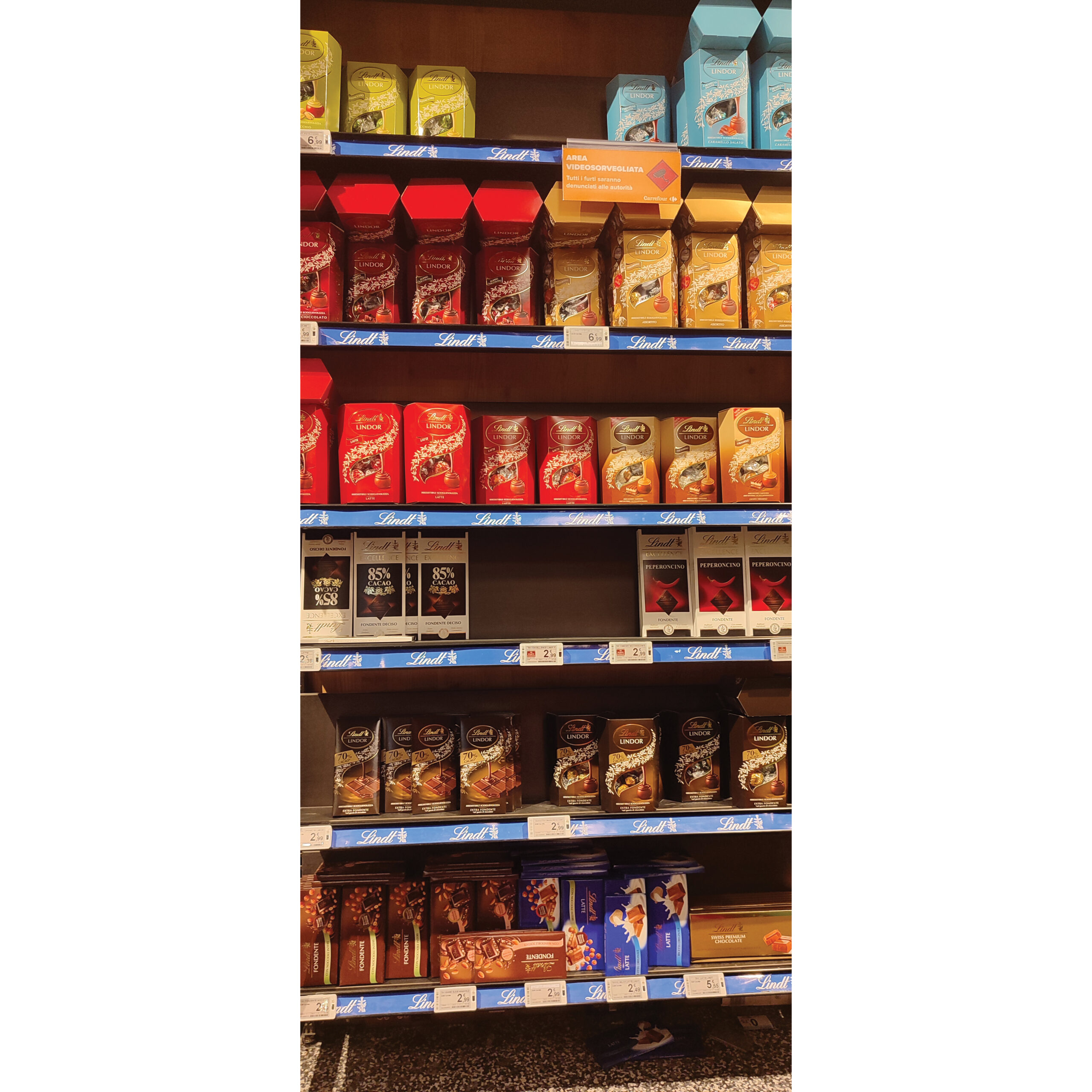
Figure 5. A world of chocolate, all in one place for a mono-brand shelf dedicated to showcasing the complete product portfolio.
Chicago: Vibrancy, Variety, and Visibility
On the other side of the ocean, in Chicago, Silvia G. found herself pondering the subtle nuances between her local grocery store (Whole Foods and Mariano’s in Downtown Chicago) and Silvia’s in Milan.
“It’s fascinating,” she mused, pausing by a towering display of shelves stacked with chocolate bars. Here, the sheer volume and bold, often vibrant colored packaging captures attention at first glance. Above all, it reveals a clear competition for brand awareness and consumer preference. There is an emphasis on flavor, ingredient origins and sustainability across branded products. As Silvia G. stood before the seemingly endless rows of chocolate bars in the Chicago supermarket, she pulled out a small notebook and pen.
With a thoughtful furrow in her brow, she began to jot down observations, her pen moving steadily as she mentally categorized and contrasted the various brands and displays. The composition of the shelves, the prominence of certain flavors, the packaging styles: each detail was meticulously recorded in her little black book, a personal inventory of the American chocolate landscape unfolding before her eyes.
When it comes to chocolate bars, most of the cocoa origins trace back to Europe (Belgium, Switzerland, Italy) although many are packed and distributed in the U.S., American and European brands lead. Shelf placement and product assortment vary between retailers, and this was no exception. There was a large variety of chocolate bar brands (15 at Whole Foods, 13 at Mariano’s), with Whole Foods opting for vertical placement (Figure 6), and Mariano’s (Figure 7) using a horizontal layout. This difference may influence the shopper’s experience and purchase behavior, particularly for first-time purchases.
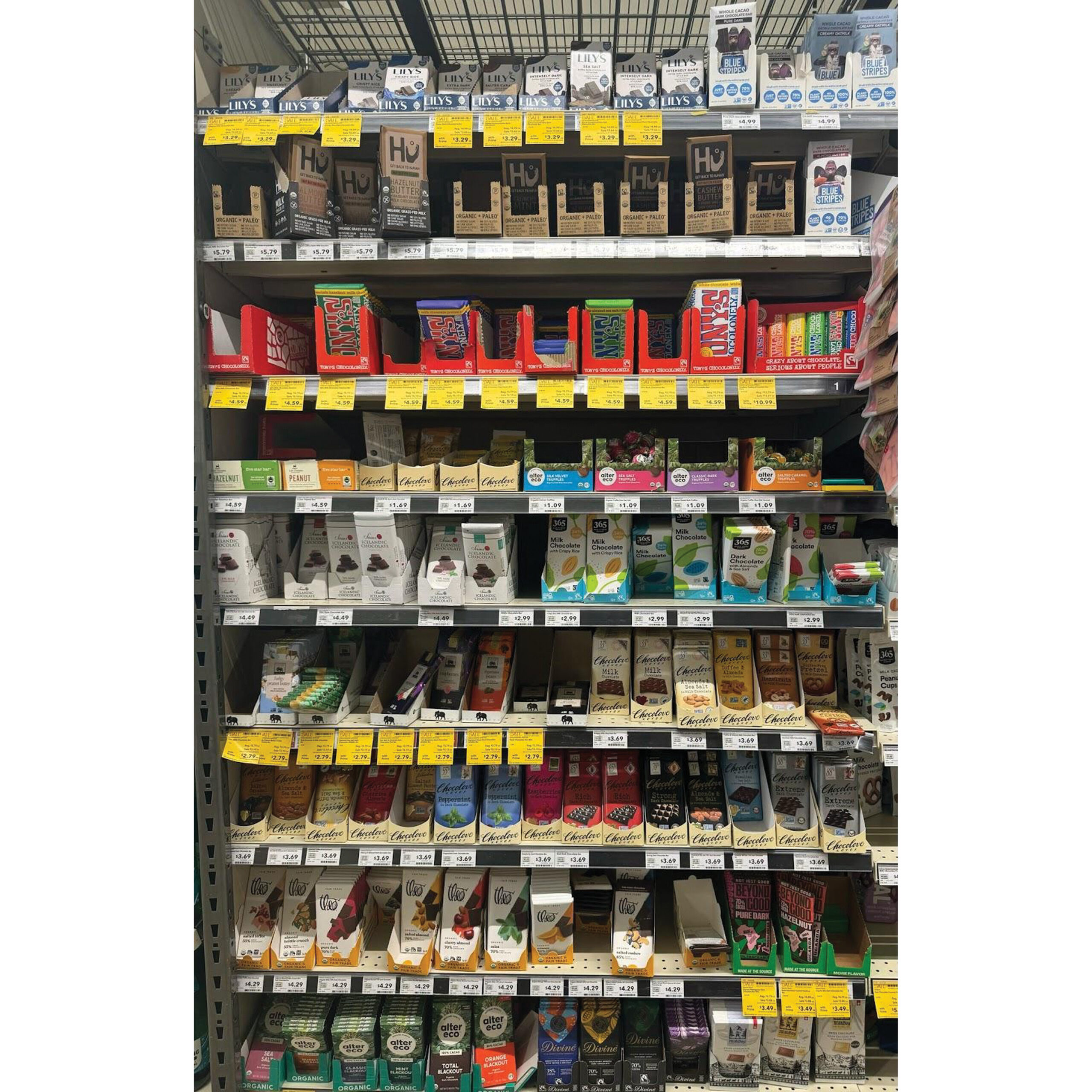
Figure 6. Vertical placement in Whole Foods.
Chocolate bars are a food category that uses pack- aging to communicate brand values and connect with shoppers and consumers. In terms of packaging design, there is a mix of plain and classic visuals versus disruptive packaging labeling with colors, designs, sealing formats, all of which help build brand identity and presence on the shelf (Figure 8). Recycle/sustainable packaging is also present, especially at Whole Foods.
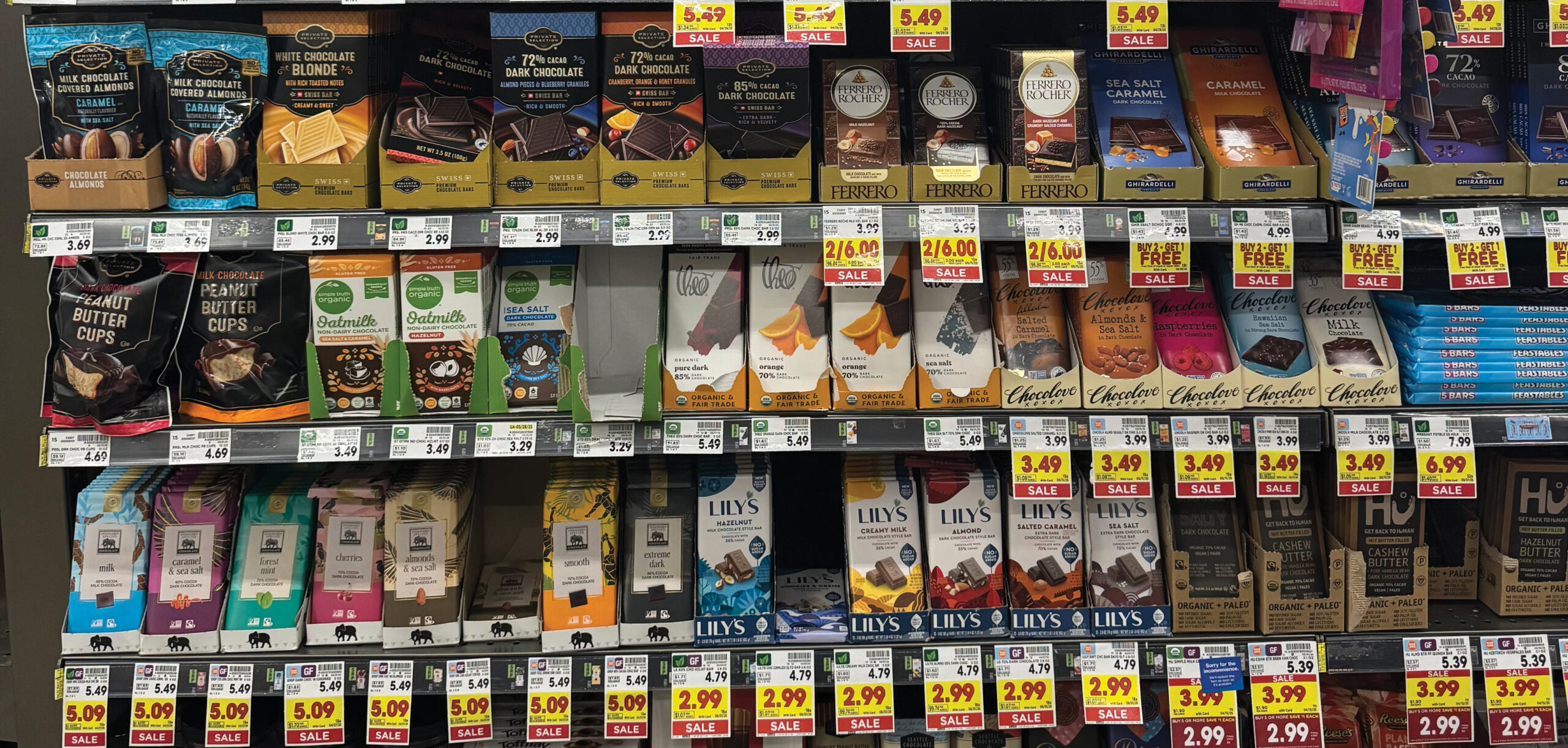
Figure 7. Mariano’s Supermarket.
Compared to the Milan market, color coded labeling to differentiate between dark and milk chocolate is less relevant. Instead, there is a greater emphasis on flavor variety, with some brands offering up to nine SKUs (Figure 9). Private labels are increasingly adopting this trend and becoming competitive in packaging, quality, and price versus branded chocolate bars. However, the offering is limited to basic flavors and cacao percentages only (Figure 10). More disruptive, small to medium sized local brands were found at Whole Foods, whereas Mariano’s carried more established international brands.
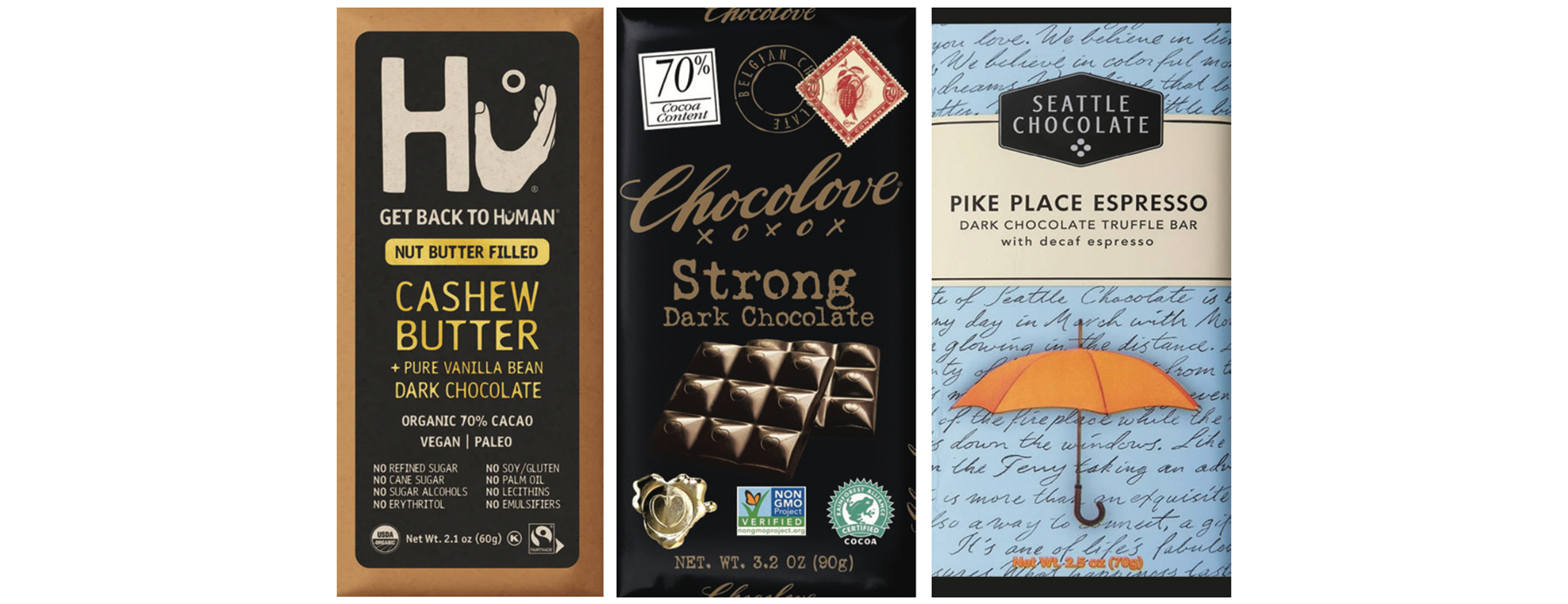
Figure 8. Creative packaging variety in chocolate bars.
Claims are an essential part of brand identity and product positioning. For nutritional labeling, sugar content ranks first, followed by fat content. Some brands emphasize the type of sugar or sweetener used, as well as the type of oils. Overall, the most prominent claims beyond nutritional value relate to cocoa percentage, fair trade, and sustainability. Figures 8 and 11 show examples of brands using these claims as part of their identity.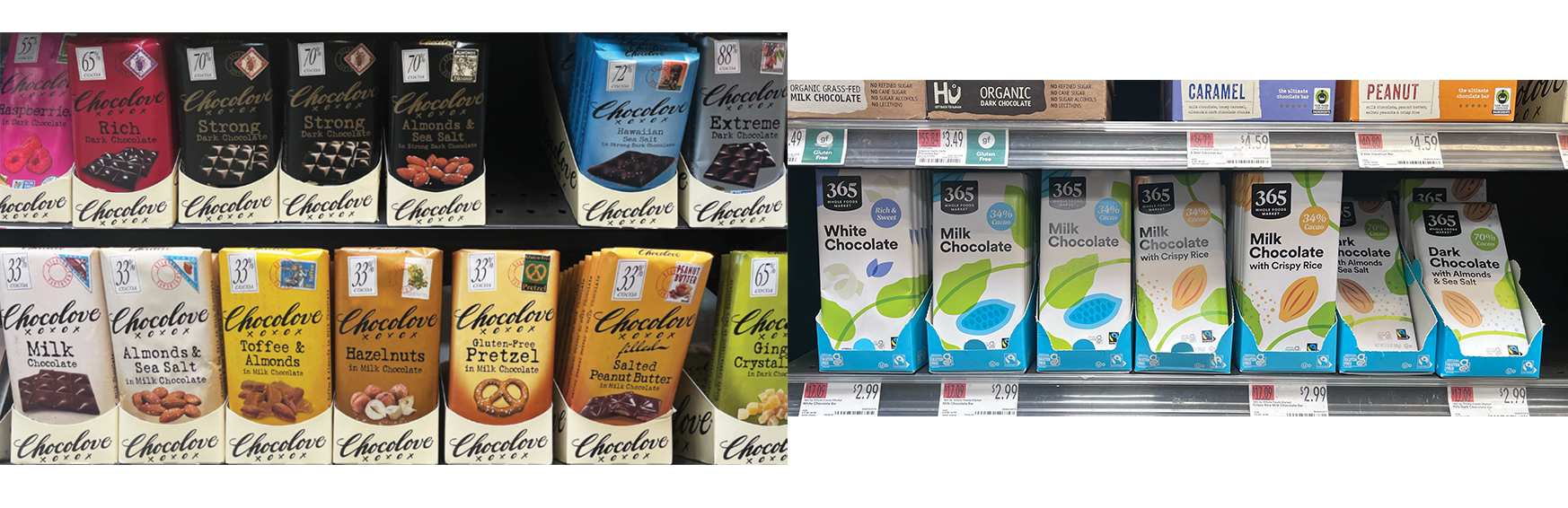
Figure 9. Wide flavor options in chocolate bars (left), Figure 10. Private label 365 Whole Foods – Milk and dark chocolate (right).
While both supermarkets offered a diverse range of chocolate, the Chicago stores appeared to prioritize mass-market appeal and value, with a noticeable presence of familiar, widely advertised brands. In contrast, the Milanese supermarket seemed to offer a potentially more curated selection, possibly with a greater emphasis on artisanal or European brands, and a different approach to shelf organization and presentation. The initial observations suggest that cultural differences in consumption and retail strategies are subtly yet distinctly reflected in the chocolate aisles of these two supermarket chains across continents.
Findings: American vs European
In conclusion, both American and European brands dominate the shelves. Packaging typically uses traditional paper with visual branding, but there is no color labeling to distinguish between dark and milk chocolate. Whole Foods notably features more recyclable and sustainable packaging. The two supermarkets share many brands, but Whole Foods offers a greater variety of small and medium local brands, while Mariano’s focuses more on well-established international brands. Both supermarkets highlight claims like non-GMO, fair trade, gluten-free, and organic attributes. Branded bars often include claims such as “100% vegan,” “no refined sugar,” “plant-based superfood,” “women owned,” and “carbon neutral.” Some brands emphasize cocoa origin as distinct from manufacturing location, reflecting a trend toward transparency and ethical sourcing.
Packaging plays a crucial role in brand identity and consumer connection. While traditional paper packaging with brand visuals is common, sustainable or recyclable packaging is more prominent at Whole Foods. There is a notable absence of color coding to differentiate dark and milk chocolate. Claims on packaging emphasize nutritional aspects such as sugar content, type of sweeteners, oils, percentage of cocoa, fair trade, and sustainability. Whole Foods tends to combine classic and disruptive packaging designs, enhancing shelf presence.
Conclusions
Comparative analysis of branded and private label chocolate labels shows that consumers lean toward a preference for branded products over private label products. However, private labels are joining the race to become more competitive in packaging, quality and price compared to branded chocolate bars. Based on the shelf displacement in both cities, Milan shows a strong connection to tradition and brand loyalty, more intensely toward manufacturers’ brands than private labels, unlike in Chicago. Perhaps this is because consumers tend to perceive branded products as being of higher quality and show a greater willingness to pay a higher price for these products than for private labels. Particularly in the case of chocolate, affective value and trust in the brand play an important role in purchasing choices.
In Chicago, small-medium and emerging brands are gaining shelf space, competing with large manufacturers and private labels, and giving options to the consumers to connect with the brand beyond flavor.
And so, much like Charlie Bucket’s wondrous exploration within the labyrinthine halls of Willy Wonka’s factory, Silvia G.’s and Silvia D.’s separate supermarket visits culminated in a fascinating discovery: not of a golden ticket, but of the diverse and telling labels adorning chocolate bars across continents. Their initial scouting expeditions have unearthed a wealth of insights, offering numerous avenues for reflection and potential evolution in the way chocolate bar shelves are conceived and presented within large-scale retail environments. From packaging nuances to brand prominence and the overall shopping experience, the journey through these seemingly ordinary aisles has laid the groundwork for a deeper understanding of consumer behavior and the art of chocolate merchandising.


Share on

