

Navigating growth, regulation and regionality in private label
By Maria Dubuc
February 17, 2026
6 MIN READ
This article is featured in the Magazine “Private Label and National Brands: Decoding Food Retail”, created in collaboration with Global Retail Brands. You can find more insights about the Magazine and additional articles here.

At MBD, we manage retailer and national brands locally and globally. This article examines the growth of private label in emerging markets, how regulations and labeling laws impact competition, as well as regional differences in the industry. We begin by highlighting two of our long-time client partners, PriceSmart and Smart & Final stores.
Growth in Emerging Markets
PriceSmart is a membership model, large format ‘club-style’ retailer largely in South and Central America. With warehouse club locations in emerging and developing markets that reach 12 countries and one U.S. territory, their private brand program is complex and unique. The success is largely driven by great product selections, combined with strong brand equity and management across 13 countries.
While Member’s Selection brand has been in existence for quite some time, its recent growth in their emerging markets is impressive. Consumers in all countries, and of all ages, are so interested in their brand, they are willing to join as members in order to gain access to their exclusive products. And when they do join, they keep coming back for more!
PriceSmart has always held a ‘one label fits all countries’ goal, labeling laws across countries recently came into play, creating regional differences which affect competition. In 2023, Colombia mandated front-of-package nutrition labels on foods high in sodium, saturated fat, and added sugar. The law, known as Ley Comida Chatarra (Junk Food Law), was passed in July 2021, but the regulations and final label design were implemented in 2023. The implementation included an 18-month period for the industry to adjust.
As with other countries enforcing similar rules, they were hoping to expose these facts on the front of pack in an effort to reduce obesity and promote healthy eating. In Colombia’s case, the graphic solution depicts quite large octagon shapes in the upper right area of the principal display panel of each package. With their ‘one label fits all’ policy, the only solution at this time is to add stickers to the package for Colombia.
For PriceSmart’s Member’s Selection brand, this has proven to be quite disruptive, diluting their “Stickers often sit on top of the brand logo and cover up other important information on the front of pack.” successful brand-forward approach. Stickers often sit on top of the brand logo and cover up other important information on the front of pack, in some cases the statement of identity. Furthermore, when it sits beside other brands on the shelf, it impedes the confidence of the shopper.
Since this is a fairly new mandate, and has only affected the Colombia market thus far, PriceSmart’s strategy is to continue with stickering before they adopt this new system across all countries. Should other countries follow suit, or the U.S. mandate their laws for front of pack labeling, a decision will have to be made as far as which country’s graphics willbe used. And of course, if unique labels need to be created for each country, this will increase costs across the board.
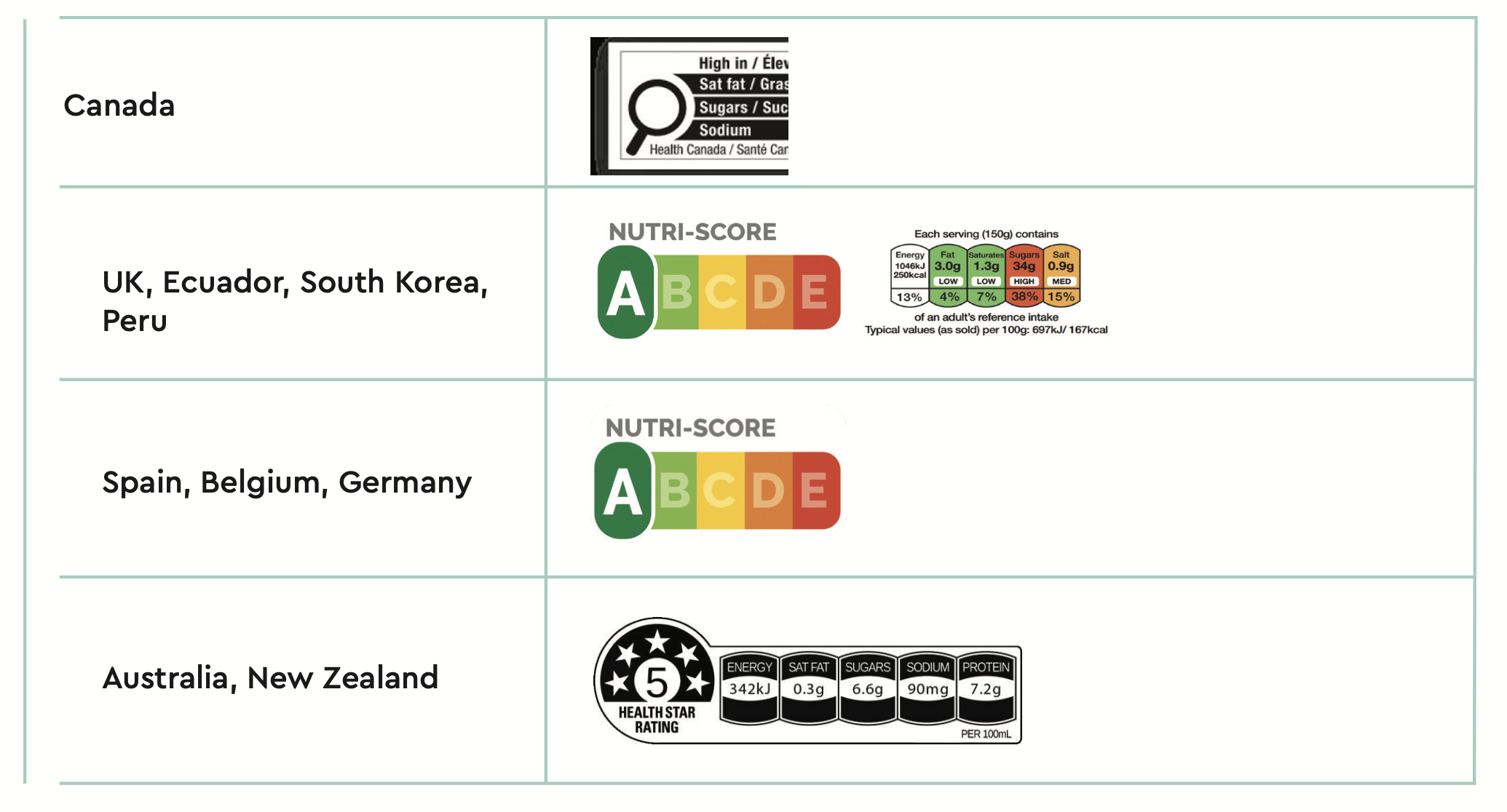
Example of other countries with similar laws in place for reference are below:
Acquisitions and Regional Differences
Smart & Final stores were recently purchased by Chedraui Group Mexico, forming Chedraui USA. Chedraui USA also owns and operates El Super and Fiesta Mart banners in the U.S. Immediately upon acquisition, we began to consider strategy and opportunities for their brands across banners and locations. The centralizing of the brands made for better buying power, and leaned into the already built equity these brands carried in the southwest region of the country.
For example, El Super and Fiesta Mart began to leverage Smart & Final private brands, and vice versa. Design systems and color strategies were quickly developed. Decision trees were put into place to determine which brands’ look and feel will trump the other. Bilingual opportunities were put into play. Soon after, Chedraui realized the benefit of a centralized agency model. MBD was able to help strategize and iterate quickly and efficiently to take advantage of the cross-country and cross-banner opportunities.
Smart & Final’s original foresight into a centralized program also contributed to the speed-to-market successes that followed. This led to the expansion of the MBD centralized model for Chedraui brands in Mexico. As a global agency, we were already familiar with the rules and regulations in Mexico, including NOM approvals. But here, once again, regulations came into play. Mexico also mandates a front-of-package warning label system with similar rules and graphic style to Colombia.
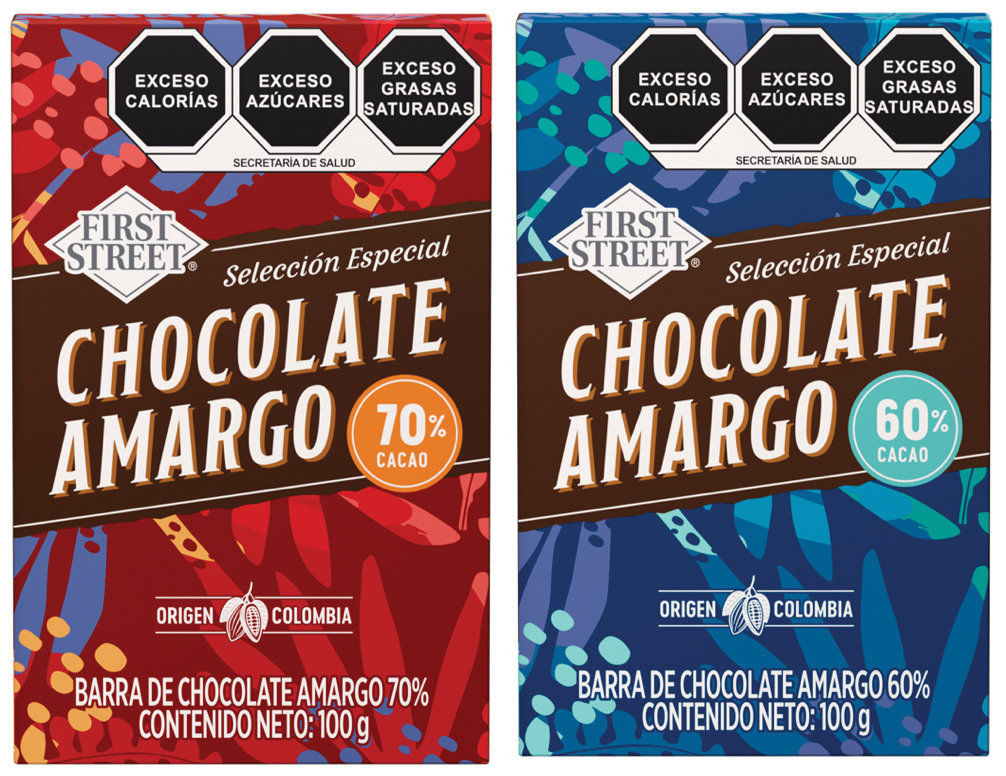
Mexico officially began implementing this system in October 2020. The law was approved in October 2019 and amendments to the Official Mexican Standard (NOM-051) for pre-packaged food and drinks were approved in January 2020. The FOP system uses octagonal warning labels on products with high levels of sugar, saturated fats, trans fats, calories, and salt.
In this case, MBD was able to build the graphics into our design resulting in a much more pleasing package which invokes confidence from the consumer. The brand mark was reduced in size, the logo and SOI dropped down on the package to allow space for the required size of the octagon, and a background pattern was used for interest and excitement.
Regionality Matters
Where countries like the UK, Australia and New Zealand have a similar model for their go-to market strategy for a given private brand program, in the U.S. we have regional differences that require retailers to take notice of the consumers in each region. This goes beyond state by state and often gets down to specific sections of a town or city based on the demographics in that area. Retailers who adapt and develop products and related packaging graphics for each region benefit from increased sales. Opportunities to communicate with consumers in their native language are important and meaningful. Customers respond with their purchasing dollars.
Furthermore, state by state regulations could really trip up those new to the industry and brand/package design. It is my recommendation to pay careful attention to where your product is sold and provide the shopper what they are looking for in that region, in that particular category, and in some cases right down to each product.
U.S. Regulatory Notables
As the co-chair on the FMI Private Brand Leadership Councils’ Technical Regulatory Packaging Compliance (TRPC) working group, my head is spinning with upcoming potential regulation changes. A few highlights are noted below.
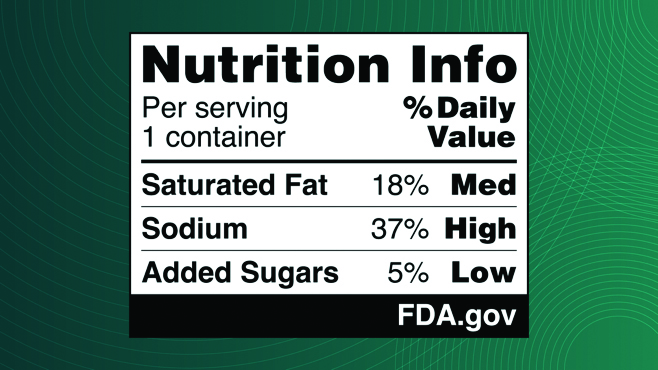
Front of pack nutritional requirements have been on the FDA’s radar for several years now and are up for consideration this year. If passed, the proposed graphic will be similar in size to the Nutrition Facts Panel and will sit in the top third of the front of the package of any products deemed high in saturated fat, sodium, and added sugar.
Top 3 Hot Topics Regarding Regulatory Initiatives:
• FDA Front of Pack Nutrition Labeling | Awaiting Proposed Rule | Comments extended to 07/15/25 if finalized
• FDA “Healthy” Claim | Federal Register 12/27/24 | Effective 04/28/25 | Compliance 02/25/28 | Final Rule
• FDA Guidance for Industry: 1/6/25 Q&A Food
In conclusion, regional differences and regulations have a major impact on competition across the globe. When embarking upon a new brand or product category, do your homework, know your consumer, understand the legalities across states. And with that you will be better suited to succeed in each market.

Share on

